Traditional South African Cuisine: A Culinary Journey
South African cuisine is a vibrant tapestry woven from diverse cultural influences, reflecting the nation's rich history. From the indigenous flavours of the Khoisan people to the Dutch, French, Indian, and Malay influences, traditional South African dishes are a celebration of heritage and flavour. At Mzansi Flavours, we're passionate about preserving and sharing these culinary treasures.
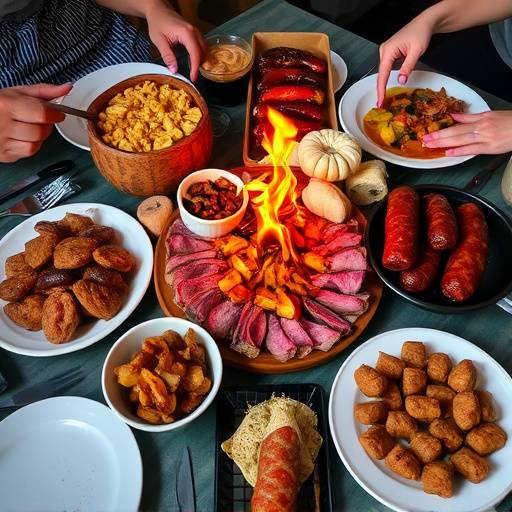
This page is dedicated to exploring some of the most iconic and beloved traditional South African dishes. Whether you're a seasoned cook or just starting your culinary journey, we hope you'll find inspiration and delight in these recipes.
Bobotie: A Spiced Minced Meat Masterpiece
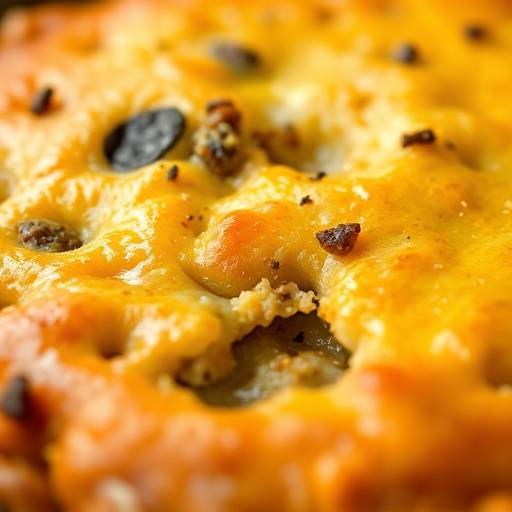
Bobotie is arguably one of South Africa's most well-known and cherished dishes. This flavorful minced meat dish is baked with a savoury custard topping, offering a delightful blend of sweet and savoury notes. The origins of Bobotie can be traced back to the Cape Malay community, and it remains a staple in South African homes today.
Key ingredients include minced meat (usually beef or lamb), dried fruit (such as apricots or raisins), curry powder, turmeric, bread, milk, and eggs. The spices and dried fruit create a unique flavour profile that is both comforting and exotic.
Serving Suggestions:
- Serve with yellow rice, chutney, and sliced bananas for a complete meal.
- Accompany with a fresh green salad for a balanced flavour.
- Try a dollop of plain yogurt to cool the palate.
Bunny Chow: A Durban Curry Delight
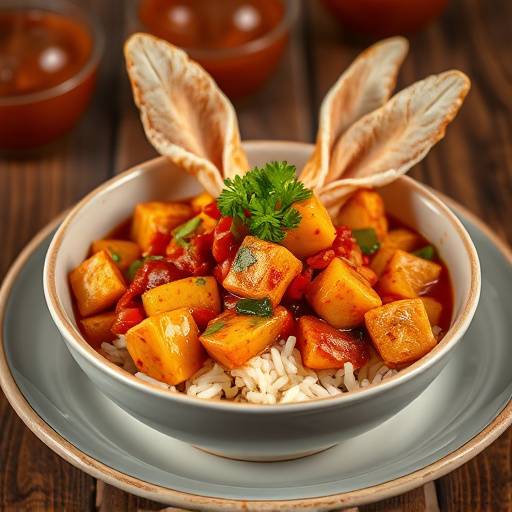
Hailing from Durban, Bunny Chow is a unique street food dish that has gained popularity throughout South Africa. It consists of a hollowed-out loaf of bread filled with a flavorful curry, typically mutton, chicken, or beans. The bread soaks up the curry sauce, creating a satisfying and messy culinary experience.
Bunny Chow is believed to have originated in the Indian community of Durban as a convenient way for workers to transport and eat their curries. The "bunny" in Bunny Chow is said to be a reference to the Bania caste of Indian traders.
Variations:
- Mutton Bunny Chow: The classic and most popular choice.
- Chicken Bunny Chow: A milder alternative with tender chicken pieces.
- Bean Bunny Chow: A vegetarian option packed with flavour and protein.
Biltong: South Africa's Favourite Dried Meat Snack
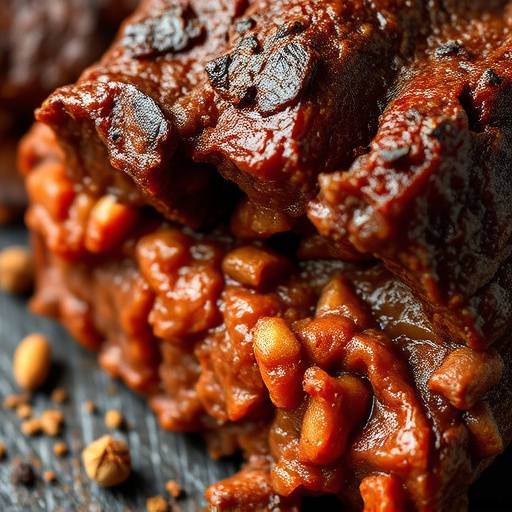
Biltong is a form of dried, cured meat that is a beloved snack in South Africa. Similar to beef jerky, biltong is typically made from beef but can also be made from game meats such as kudu, springbok, or ostrich. The meat is marinated in a mixture of vinegar, salt, coriander, and other spices, then air-dried.
The curing process gives biltong its unique flavour and texture. It can be enjoyed in various forms, from thinly sliced to thick, chewy pieces. Biltong is a popular snack on its own or can be used in recipes, such as salads and stews.
Tips for Enjoying Biltong:
- Pair with cheese and crackers for a delicious snack platter.
- Add to salads for a protein boost.
- Use in stews or soups for added flavour.
Boerewors: A Traditional South African Sausage

Boerewors is a type of sausage that originated in South Africa. The name "boerewors" comes from the Afrikaans words "boer" (farmer) and "wors" (sausage). Boerewors is traditionally made from beef, but can also include pork or lamb, as well as a blend of spices, including coriander, cloves, and nutmeg.
Boerewors is typically grilled or braaied (barbecued) and is a staple at South African gatherings and celebrations. Its coarse texture and flavorful spices make it a truly satisfying and authentic South African food experience.
Serving Ideas:
- Serve in a "boerie roll" with tomato sauce and onions.
- Grill with pap (maize porridge) and chakalaka (spicy relish).
- Enjoy as part of a traditional South African braai.
Chakalaka: A Spicy South African Relish
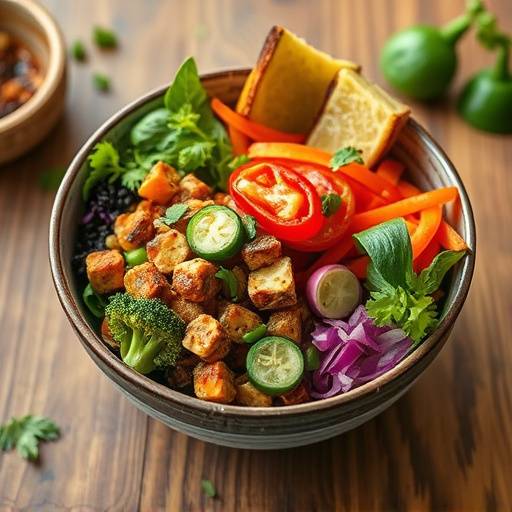
Chakalaka is a spicy vegetable relish that is a popular accompaniment to many South African dishes. It is typically made with beans, tomatoes, onions, peppers, carrots, and spices such as curry powder and chili. Chakalaka adds a burst of flavour and heat to any meal.
The origins of Chakalaka are believed to be in the townships of Johannesburg, where it was created as a way to add flavour and nutrition to simple meals. Today, Chakalaka is enjoyed throughout South Africa and is a staple at braais and gatherings.
Serving Suggestions:
- Serve with grilled meats or boerewors.
- Enjoy with pap (maize porridge) or bread.
- Use as a topping for Bunny Chow.
Cape Malay Curry: A Fusion of Flavours
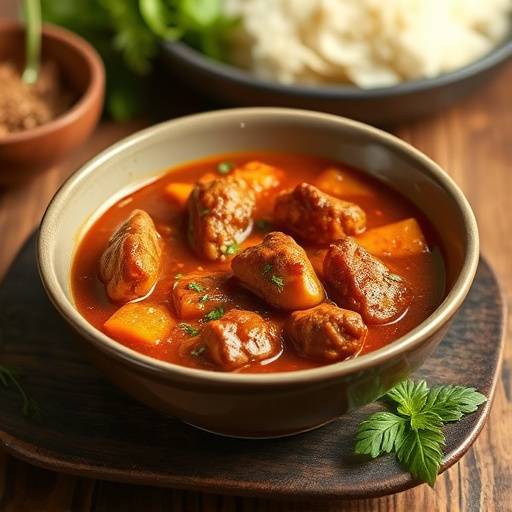
Cape Malay Curry is a style of curry that originated in the Cape Malay community of South Africa. It is characterized by its mild to medium heat and its unique blend of spices, which often includes cinnamon, cardamom, cloves, and turmeric. Cape Malay curries typically feature meat such as lamb or chicken, but can also be made with vegetables.
The Cape Malay community brought their culinary traditions to South Africa from Southeast Asia, and their curries reflect a fusion of Malay, Indonesian, and Indian flavours. Cape Malay Curry is a testament to the cultural diversity of South African cuisine.
Serving Ideas:
- Serve with rice, roti, or naan bread.
- Garnish with fresh coriander and chopped peanuts.
- Accompany with sambals (spicy condiments).
Malva Pudding: A Sweet and Sticky Delight
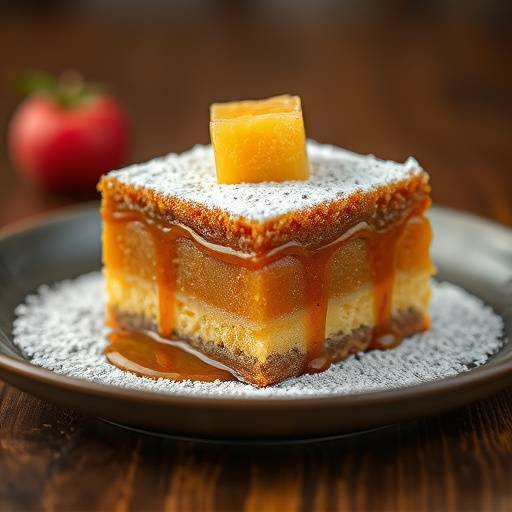
Malva Pudding is a sweet and spongy dessert that is a favourite in South Africa. It is made with flour, sugar, eggs, butter, and vinegar, and is typically served warm with a creamy caramel sauce. Malva Pudding is known for its moist texture and rich, buttery flavour.
The origins of Malva Pudding are uncertain, but it is believed to have been brought to South Africa by Dutch settlers. It has become a beloved dessert that is enjoyed at family gatherings and special occasions.
Serving Suggestions:
- Serve warm with custard, cream, or ice cream.
- Garnish with fresh berries.
- Enjoy with a cup of coffee or tea.
Learn More About South African Cuisine
We hope this glimpse into traditional South African cuisine has sparked your interest in exploring the diverse flavours of Mzansi. Be sure to check out our other pages for more recipes and culinary inspiration.